



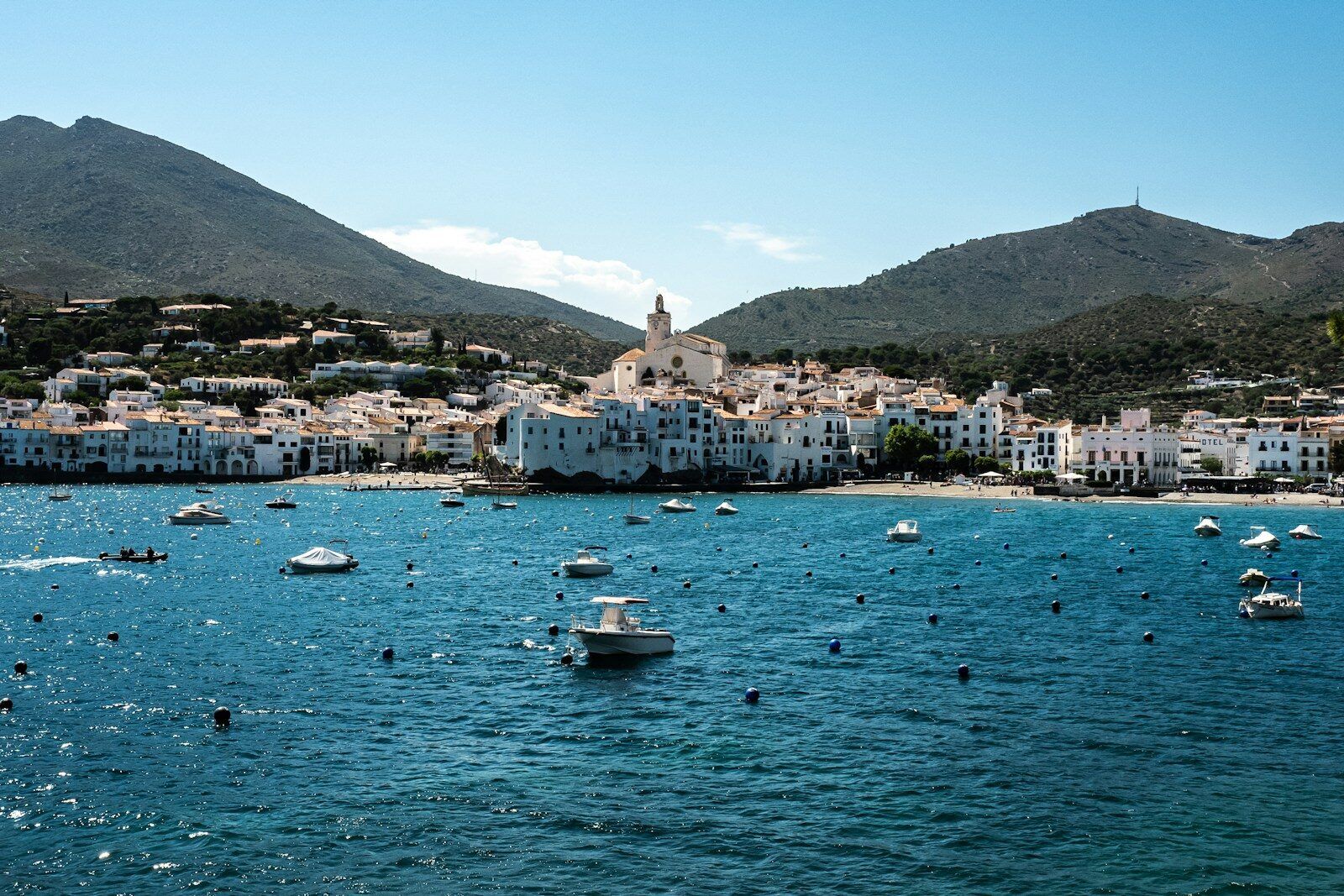
Salvador
History
Salvador was founded in 1549 by the Portuguese and became the first capital of Brazil. Its strategic location on the coast made it an important center for trade, administration, and the development of Portuguese colonial Brazil.
During the colonial period, Salvador became one of the main ports of the Atlantic slave trade, and millions of Africans were brought to Brazil through the region. Their cultures, religions, music, cuisine, and traditions had a profound influence on the identity of Bahia and Brazil.
In 1763, the capital of Brazil was transferred from Salvador to Rio de Janeiro, but the city remained an important economic and cultural center. Its historic center continued to develop around churches, colorful colonial buildings, and lively public squares.
Today, Salvador is known for its rich Afro-Brazilian heritage, historic architecture, music, festivals, and vibrant culture. The city’s historic center, Pelourinho, is recognized as a UNESCO World Heritage Site and remains one of Brazil’s most important cultural landmarks.
Major Sights
Salvador is famous for its colorful colonial architecture, historic churches, lively squares, and spectacular views of the Atlantic Ocean. The city combines centuries of history with vibrant Afro-Brazilian culture and a relaxed coastal atmosphere. Visitors can explore historic neighborhoods, impressive churches, markets, and iconic landmarks throughout the city.
Must-see places:
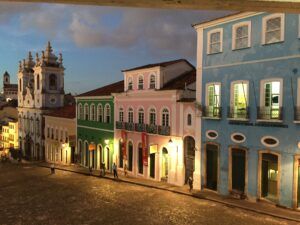
Pelourinho
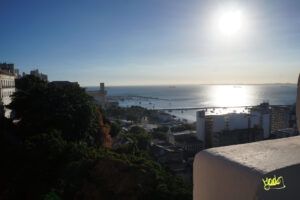
Elevador Lacerda
Natural attractions
Salvador offers a beautiful combination of tropical landscapes, beaches, palm trees, and the warm waters of the Atlantic Ocean. The city is surrounded by natural beauty, with scenic coastal areas, lagoons, and green spaces to explore. Dique do Tororó, Parque Metropolitano de Pituaçu, and the coastline around Farol da Barra are among the most interesting natural attractions. Visitors can enjoy walking, swimming, cycling, and relaxing while discovering the tropical side of Bahia.
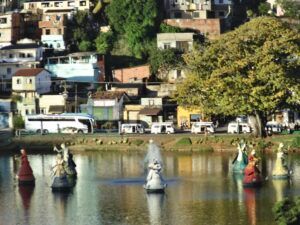
Dique do Tororó
National parks
Salvador itself does not have a national park within the city, but Bahia is home to several important protected natural areas. These conservation areas protect forests, mountains, waterfalls, and unique ecosystems, offering excellent opportunities for hiking and exploring nature. Chapada Diamantina National Park is one of the most famous natural destinations in Bahia, known for its dramatic landscapes, caves, waterfalls, and trails. These protected areas allow visitors to discover the incredible biodiversity and natural beauty of the region.
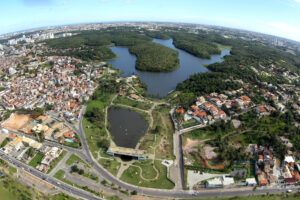
Parque Metropolitano de Pituaçu
Beaches
Salvador is surrounded by beautiful tropical beaches with warm waters, golden sand, and a lively coastal atmosphere. Porto da Barra, Farol da Barra, Praia do Flamengo, and Itapuã are among the most popular beaches in and around the city. Visitors can enjoy swimming, surfing, relaxing by the ocean, or watching spectacular sunsets. Salvador’s coastline offers a perfect combination of natural beauty, local culture, and traditional Bahian beach life.
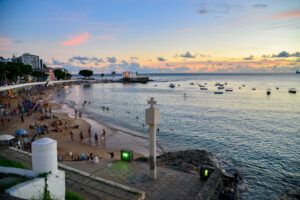
Porto da Barra
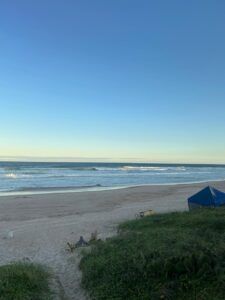
Praia do Flamengo
Culture
Salvador is one of the most culturally rich cities in Brazil, strongly influenced by African, Indigenous, and Portuguese traditions. The city is famous for samba-reggae, capoeira, Candomblé, Carnival, and vibrant music and dance. Its cuisine, especially dishes such as acarajé and moqueca, reflects the deep African influence on Bahian culture. Visitors can experience this unique heritage through festivals, music, food, art, and the historic streets of Pelourinho.
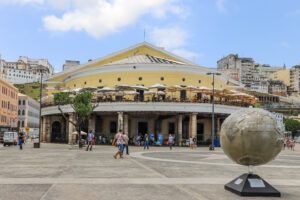
Mercado Modelo
Experiences
Salvador offers a wide variety of experiences, from historic tours and cultural activities to beautiful beaches, local restaurants, accommodation, and unforgettable adventures. Discover places to stay, eat, relax, explore, and experience the city like a local. Explore our recommended local businesses and find the perfect experience for your trip.

Capoeira