



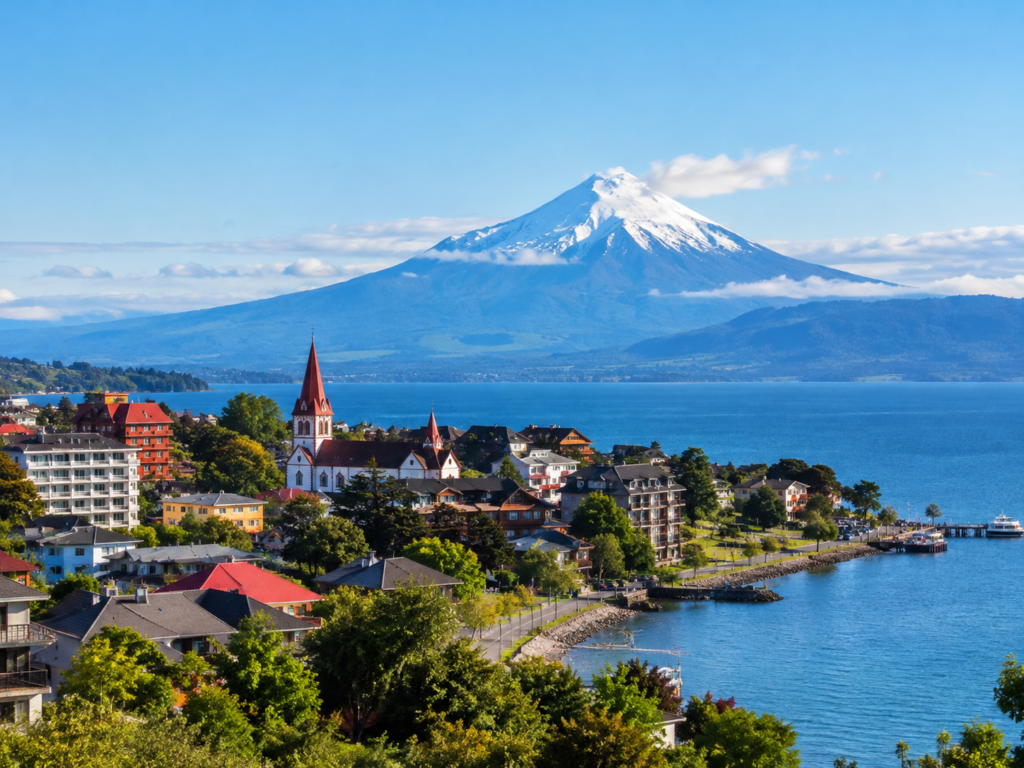
Puerto Varas
History
Puerto Varas is a charming city in southern Chile, located on the shores of Lake Llanquihue, surrounded by forests, mountains, and volcanoes. Long before the arrival of European settlers, the region was inhabited by Indigenous peoples, including the Huilliche, whose traditions and connection to the land remain an important part of the area’s heritage.
The city’s modern history began in 1853, when German settlers arrived on the shores of Lake Llanquihue as part of Chile’s colonization of the southern territories. Their arrival influenced the region’s architecture, agriculture, crafts, and local traditions. Over time, Puerto Varas developed into an important lakeside settlement and commercial center.
In 1897, Puerto Varas officially received the title of town and its name in honor of Antonio Varas, a Chilean political figure. The arrival of the railway in 1912 encouraged further growth and improved connections with other parts of the region. Today, Puerto Varas is known for its historic wooden houses, distinctive architecture, and beautiful setting between Lake Llanquihue and the Andes.
Major Sights
Puerto Varas combines historic architecture, lakeside scenery, and local culture. Visitors can stroll along the waterfront, discover traditional churches and museums, and explore nearby towns that preserve the heritage of southern Chile. The city is also an excellent starting point for discovering the lakes, volcanoes, and forests of the surrounding region.
Must-see places:

Osorno
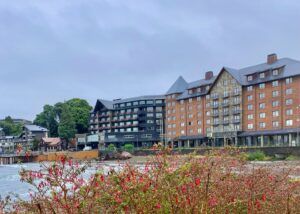
Sector Costanera
Natural attractions
Puerto Varas is surrounded by some of the most impressive landscapes in Chile’s Lake District. Lake Llanquihue dominates the scenery, with spectacular views of Osorno Volcano on clear days. Forests, rivers, waterfalls, and mountain trails create opportunities for hiking, photography, kayaking, cycling, and exploring the outdoors.
Nearby, Petrohué Waterfalls offer a striking display of turquoise water flowing over dark volcanic rock, while Lake Todos los Santos is known for its emerald-colored waters and forested shores. The surrounding landscape is home to native vegetation and wildlife, making the region an appealing destination for visitors who want to experience southern Chile’s natural beauty.
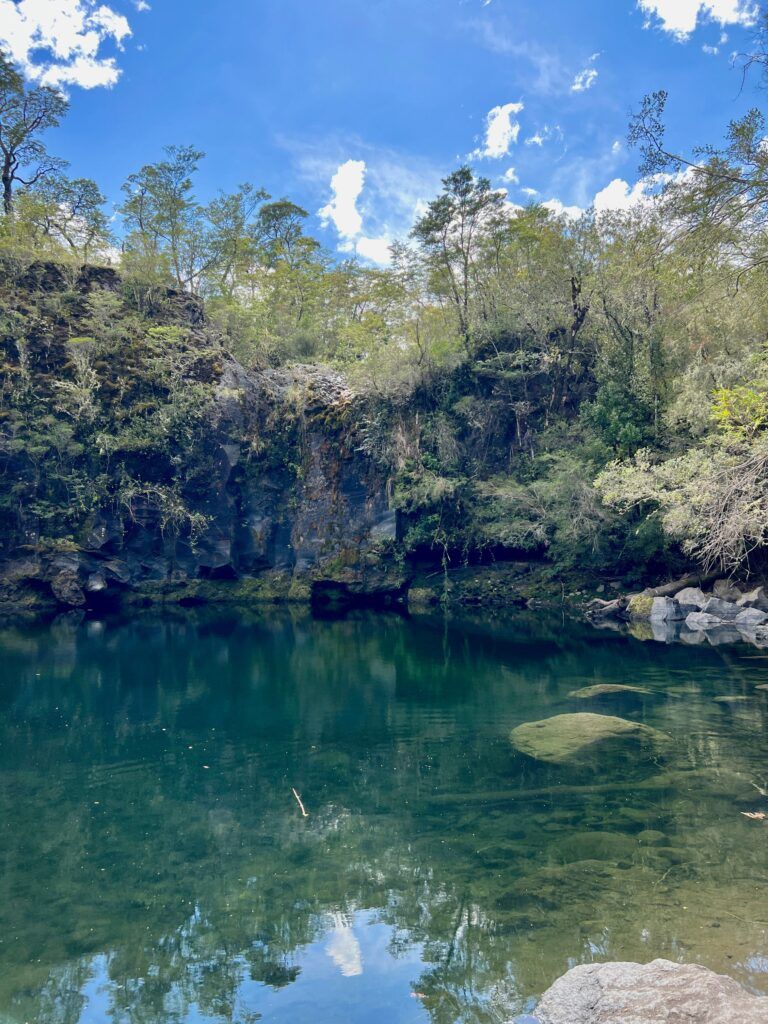
Los Lagos
Protected Natural Areas
The area around Puerto Varas includes protected forests, lakes, rivers, and volcanic landscapes that help preserve the biodiversity of southern Chile. Vicente Pérez Rosales National Park, established in 1926, is Chile’s oldest national park and one of the region’s most important conservation areas.
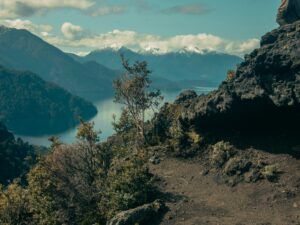
Vicente Pérez Rosales
Lakes and Waterfront
Although Puerto Varas is not a coastal city, its lakeside setting offers many opportunities to enjoy the water and surrounding scenery. The waterfront along Lake Llanquihue is a popular place for walking, cycling, photography, and watching the changing colors of the lake and volcanoes throughout the day.
Visitors can discover lakeside beaches, relax on the shore, or take part in activities such as kayaking, sailing, and boat excursions when conditions permit. Nearby Ensenada offers access to the eastern shore of Lake Llanquihue, while Lake Todos los Santos provides another memorable setting for boat trips surrounded by mountains and native forests.
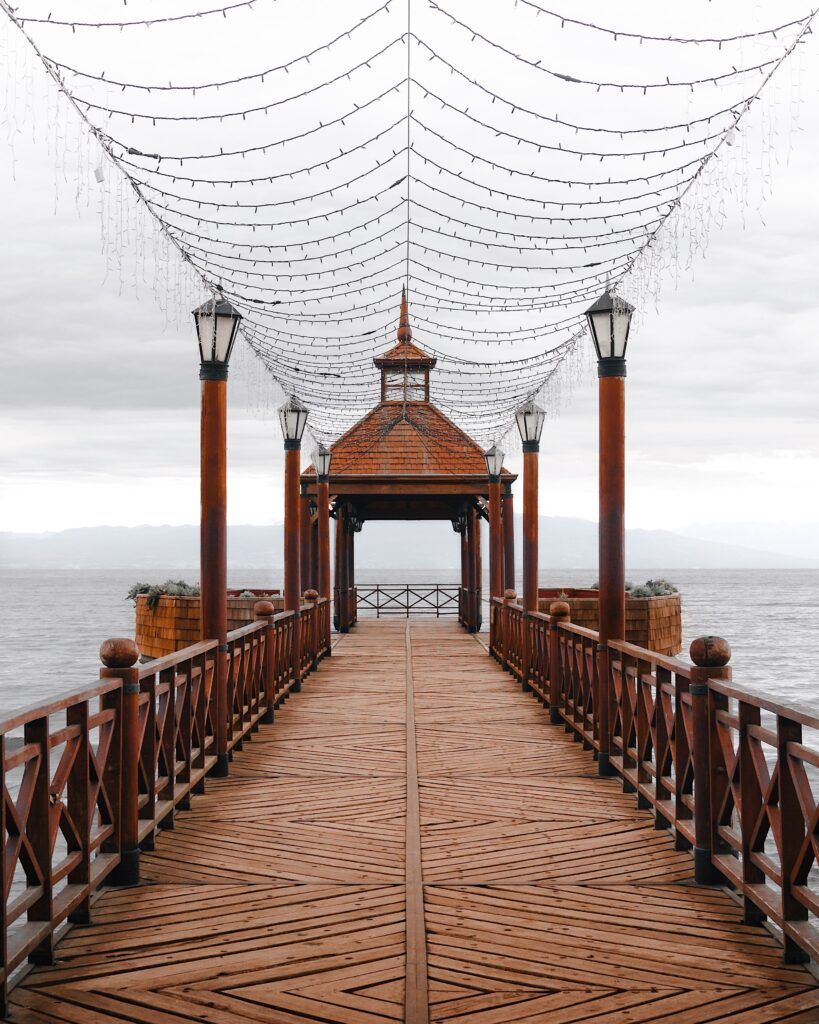
Llanquihue
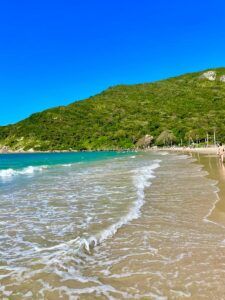
Praia da Armação
Culture
Puerto Varas has a distinctive cultural identity shaped by Huilliche heritage, German settlement, and the broader traditions of southern Chile. Its historic buildings, wooden architecture, local museums, and cultural spaces tell stories of the people who have lived in the region and contributed to its development.
Local culture can also be discovered through regional cuisine, traditional crafts, music, and community events. Visitors can sample dishes prepared with local ingredients, explore the artistic scene, and learn about the area’s history in museums such as the Pablo Fierro Museum and the Antonio Felmer Museum. Nearby Frutillar adds another cultural dimension with its musical heritage and the renowned Teatro del Lago.
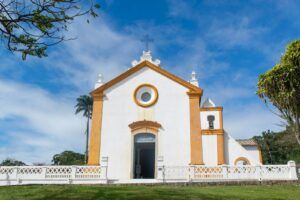
Igreja Nossa Senhora da Conceição da Lagoa
Experiences
Puerto Varas offers a wide range of experiences for travelers who want to discover southern Chile beyond its famous landscapes. From kayaking on Lake Llanquihue and hiking through native forests to visiting local museums, tasting regional food, and exploring traditional lakeside towns, there are many ways to connect with the area’s nature and culture.
Surfe