



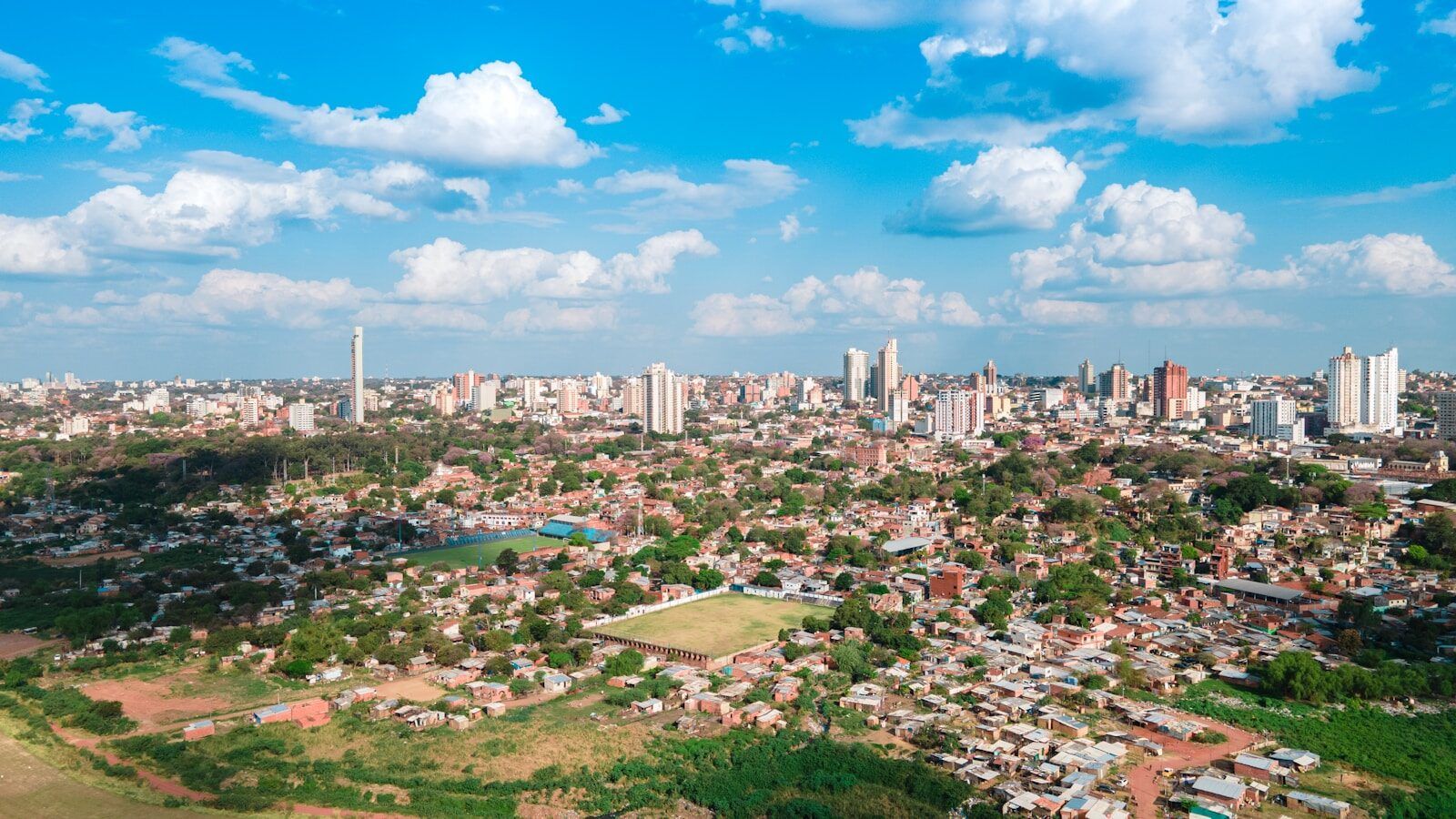
Foz do Iguaçu
History
Foz do Iguaçu has a history deeply connected to the Iguaçu River and the Indigenous peoples who inhabited the region long before the arrival of Europeans. The area was home to Guarani communities, whose cultural heritage remains an important part of the region’s identity.
In the 19th century, the Brazilian government began establishing a stronger presence in the region because of its strategic location near the borders with Argentina and Paraguay. In 1914, Foz do Iguaçu officially became a municipality.
The construction of Itaipu Dam between Brazil and Paraguay in the 1970s transformed the region and became one of the world’s largest hydroelectric projects. At the same time, tourism around the spectacular Iguaçu Falls continued to grow.
Today, Foz do Iguaçu is one of Brazil’s most important tourist destinations, famous for the Iguaçu Falls, the surrounding Atlantic Forest, and its unique location at the Triple Frontier between Brazil, Argentina, and Paraguay.
Major Sights
Foz do Iguaçu is best known for its spectacular waterfalls, rainforest, and impressive engineering projects. The city offers a unique combination of natural wonders, cultural attractions, and the meeting point of three countries. Visitors can explore breathtaking viewpoints, wildlife, historic sites, and one of the world’s largest hydroelectric power stations.
Must-see places:
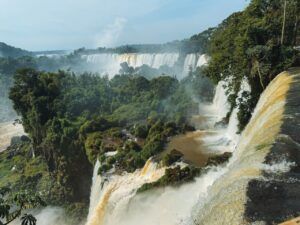
Cataratas do Iguaçu

Templo Budista
Natural attractions
Foz do Iguaçu is surrounded by spectacular natural landscapes, with tropical forests, rivers, waterfalls, and rich biodiversity. The main attraction is the Iguaçu Falls, one of the most impressive waterfall systems in the world, located on the border between Brazil and Argentina. The surrounding Atlantic Forest is home to many species of plants and animals and offers excellent opportunities for hiking and wildlife observation. Visitors can also explore the rivers and forests around the falls and experience the extraordinary natural beauty of the region.

Parque das Aves
National parks
Iguaçu National Park is one of the most important protected natural areas in Brazil and is home to the famous Iguaçu Falls. The park protects large areas of Atlantic Forest, along with rivers, waterfalls, and diverse wildlife. Visitors can explore hiking trails and viewpoints while discovering one of Brazil’s most spectacular natural landscapes. The park is also part of a larger protected area that extends across the border into Argentina.
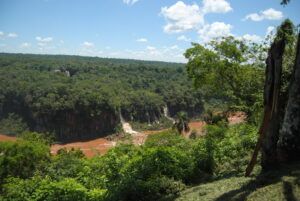
Parque Nacional do Iguaçu
Beaches
Foz do Iguaçu is located inland and does not have traditional ocean beaches. However, the region offers beautiful rivers, lakes, and natural swimming areas where visitors can enjoy the water and surrounding landscapes. Praia Artificial de Três Lagoas is a popular local destination for relaxing, swimming, and enjoying outdoor activities. The Itaipu Reservoir also offers opportunities for water sports, boat trips, and peaceful days by the water.
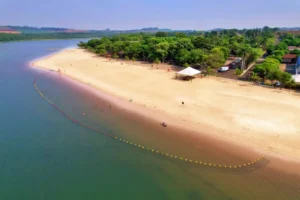
Prainha de Três Lagoas
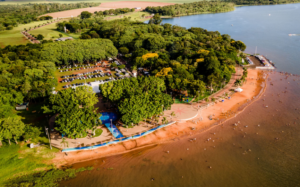
Praia Alvorada de Itaipu
Culture
Foz do Iguaçu has a unique multicultural identity influenced by its location near the borders of Brazil, Argentina, and Paraguay. The city is home to communities with different cultural backgrounds, languages, traditions, and cuisines. Visitors can experience this diversity through local festivals, restaurants, markets, religious sites, and cultural attractions. The presence of Indigenous Guarani heritage also plays an important role in the cultural identity of the region.
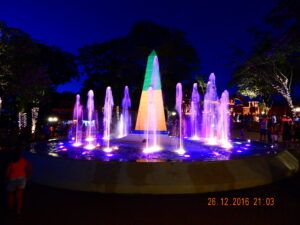
Marco das Três Fronteiras
Experiences
Foz do Iguaçu offers unforgettable experiences, from exploring the spectacular waterfalls and rainforest to visiting local restaurants, hotels, cultural attractions, and unique activities. Visitors can enjoy adventure tours, boat trips, wildlife encounters, and excursions to the Triple Frontier. Explore our recommended local businesses and find the perfect experience for your trip.

Macuco Safari