



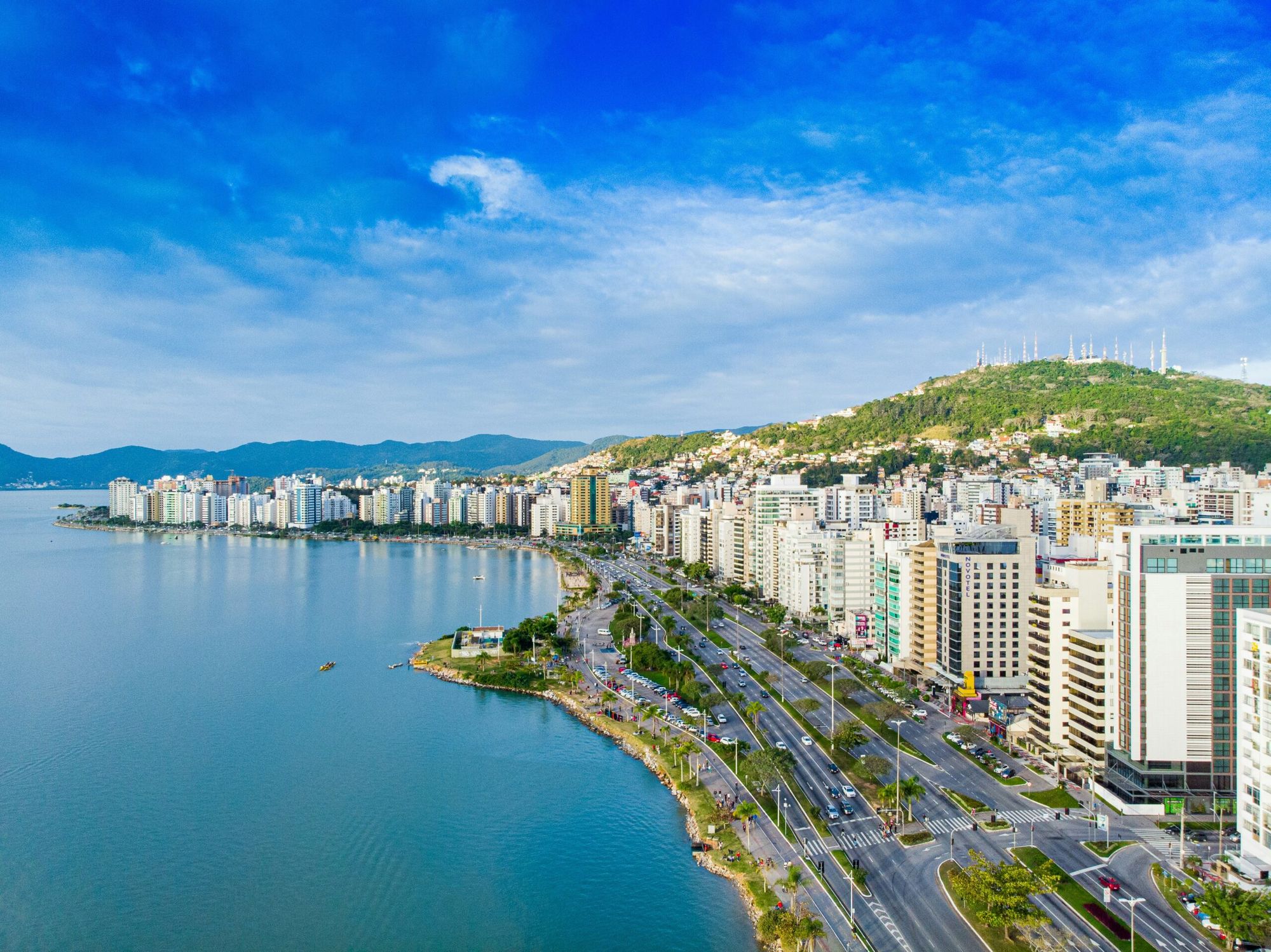
Florianópolis
History
Florianópolis has a history that began long before the arrival of Europeans. The region was inhabited by the Guarani indigenous peoples, who lived from fishing, agriculture, and gathering food.
In 1675, Francisco Dias Velho established a settlement on the island, giving rise to Nossa Senhora do Desterro, the former name of Florianópolis. The small community grew around what is now the central area of the city.
In the 18th century, thousands of immigrants from the Azores arrived on Santa Catarina Island, bringing customs, traditions, architecture, and ways of life that are still an important part of Florianópolis’ cultural identity.
In 1894, the city stopped being called Nossa Senhora do Desterro and was renamed Florianópolis, in honor of Marshal Floriano Peixoto.
One of the city’s symbols is the Hercílio Luz Bridge, inaugurated in 1926 as the first permanent connection between the island and the mainland. In 2026, the bridge celebrated its 100th anniversary and remains one of the most important landmarks of Florianópolis.
Major Sights
Florianópolis offers a wonderful combination of beaches, nature, history, and local culture. Among the most important attractions are the iconic Hercílio Luz Bridge, the historic city center, and charming parts of the island with traditional architecture. Nature lovers can visit Ilha do Campeche, Lagoa da Conceição, or one of the many beautiful beaches.
Must-see places:
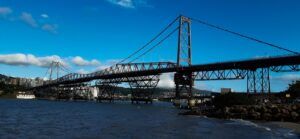
Ponte Hercílio Luz
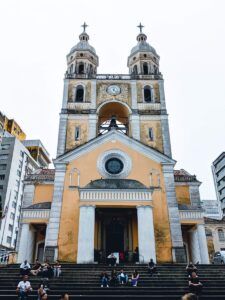
Catedral Metropolitana de Florianópolis
Natural attractions
Florianópolis is famous for its stunning natural landscapes, combining beautiful beaches, lush forests, lagoons, dunes, and hills. The island offers many opportunities for hiking, swimming, surfing, and exploring nature. Lagoa da Conceição, Ilha do Campeche, and the dunes of Joaquina are among the most impressive natural attractions. With more than 40 beaches, Florianópolis is an ideal destination for nature lovers and outdoor adventures.
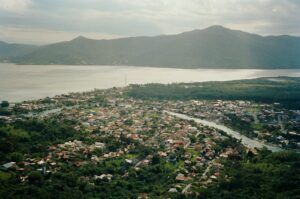
Vista da Lagoa da Conceição
Protected Natural Areas
Although Florianópolis does not have a large national park within the city, the island is surrounded by protected natural areas and conservation zones. These areas protect forests, dunes, wetlands, lagoons, and coastal ecosystems, offering excellent opportunities for hiking and exploring nature. Nearby protected areas also provide a chance to discover the rich biodiversity of Santa Catarina.
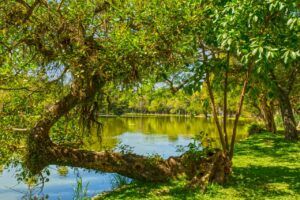
Áreas Naturais Protegidas
Beaches
Florianópolis is famous for its diverse and beautiful beaches, stretching along both the Atlantic coast and the island’s many bays. Visitors can enjoy everything from lively beaches with excellent surfing conditions to quiet, secluded beaches surrounded by nature. Praia Mole, Joaquina, Campeche, Jurerê, and Lagoinha do Leste are among the most popular choices. With more than 40 beaches, Florianópolis offers a perfect spot for relaxation, water sports, and unforgettable coastal views.
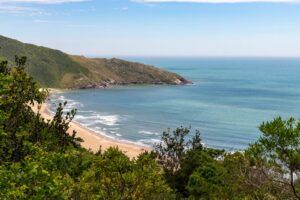
Praia do Matadeiro
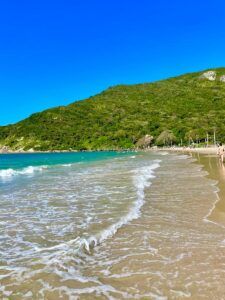
Praia da Armação
Culture
Florianópolis has a rich culture shaped by Indigenous heritage, Portuguese traditions, and the influence of immigrants from the Azores. The island is known for its traditional fishing communities, colorful festivals, local crafts, and distinctive architecture. Music, dance, seafood cuisine, and religious celebrations are an important part of everyday life. Visitors can experience this unique culture in historic neighborhoods such as Santo Antônio de Lisboa and Ribeirão da Ilha.
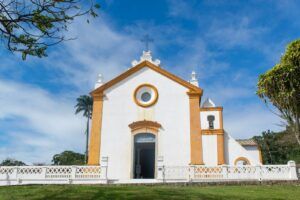
Igreja Nossa Senhora da Conceição da Lagoa
Experiences
Florianópolis offers a wide range of experiences, from accommodation and local restaurants to tours, activities, and unique adventures. Discover places to stay, eat, relax, and explore while experiencing the island like a local. Explore our recommended local businesses and find the perfect experience for your trip.
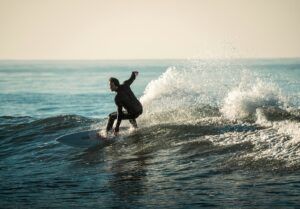
Surfe