



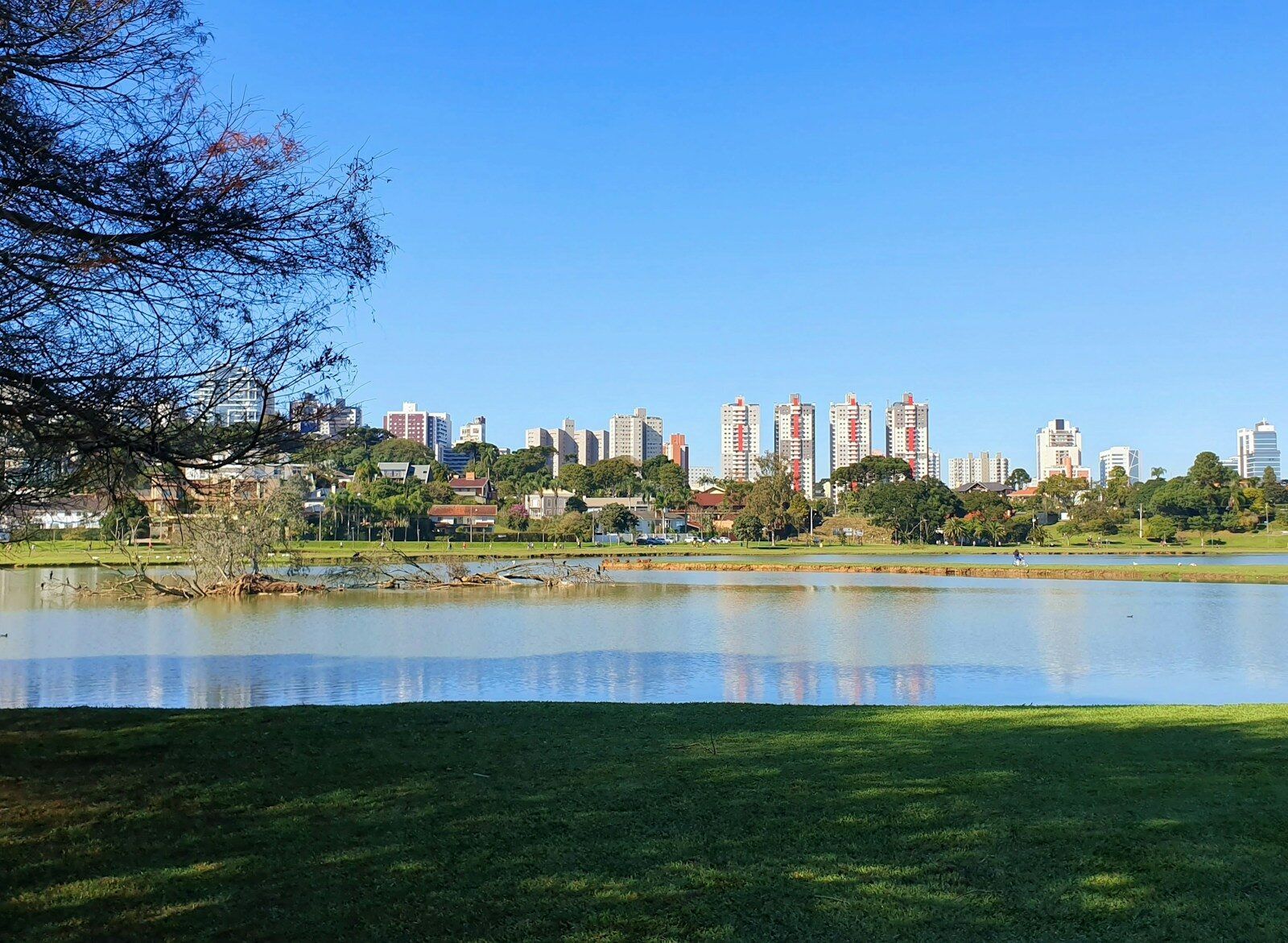
Curitiba
History
Curitiba was officially founded in 1693 as Vila de Nossa Senhora da Luz dos Pinhais. The settlement grew as an important stopping point for travelers and cattle routes connecting the southern regions of Brazil.
During the 19th century, Curitiba received thousands of immigrants, particularly from Europe, including Germans, Italians, Poles, and Ukrainians. Their traditions, architecture, cuisine, and customs became an important part of the city’s cultural identity.
In the 20th century, Curitiba experienced rapid urban growth and became known for innovative urban planning and public transportation. The city developed extensive parks and green spaces while maintaining a strong connection with nature.
Today, Curitiba is the capital of Paraná and is recognized as one of Brazil’s most organized and sustainable cities, combining European heritage, modern urban planning, culture, and abundant green spaces.
Major Sights
Curitiba is known for its elegant architecture, beautiful parks, cultural attractions, and innovative urban spaces. The city offers a unique combination of European heritage and modern urban design. Visitors can explore historic buildings, museums, botanical gardens, and some of the city’s most famous public spaces.
Must-see places:
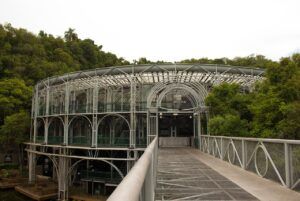
Ópera de Arame
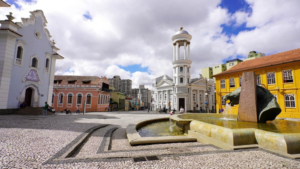
Largo da Ordem
Natural attractions
Curitiba is known for its many parks, gardens, forests, and green spaces spread throughout the city. Botanical Garden, Tanguá Park, and Barigui Park are among the most popular places to enjoy nature and relax. Visitors can walk along scenic paths, explore gardens, observe local wildlife, and enjoy beautiful views. The city’s strong connection with nature is one of the features that makes Curitiba different from many other large Brazilian cities.
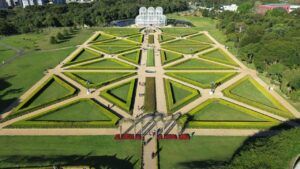
Jardim Botânico de Curitiba
National parks
Curitiba itself is surrounded by protected natural areas, while several important parks and conservation areas can be found in the wider region of Paraná. Nearby destinations offer forests, mountains, waterfalls, and opportunities for hiking and wildlife observation. Serra do Mar State Park is one of the most significant protected areas in the region, preserving large areas of Atlantic Forest. These natural areas provide an excellent opportunity to explore the biodiversity of southern Brazil.
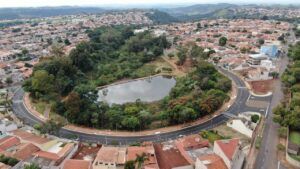
Parque Barigui
Culture
Curitiba has a diverse cultural identity shaped by Indigenous heritage, Portuguese traditions, and European immigration. Polish, Italian, Ukrainian, German, and other communities have influenced the city’s architecture, cuisine, festivals, and traditions. Visitors can explore museums, historic neighborhoods, cultural centers, and local markets to experience this multicultural character. Curitiba is also known for its contemporary art, music, theater, and innovative cultural spaces.
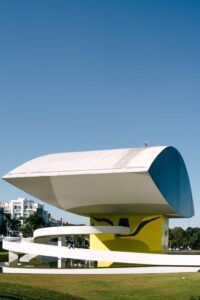
Museu Oscar Niemeyer
Experiences
Curitiba offers a wide variety of experiences, from charming cafés and local restaurants to cultural attractions, parks, tours, and unique activities. Discover places to stay, eat, relax, and explore while experiencing the city like a local. Explore our recommended local businesses and find the perfect experience for your trip.

Aula de Culinária Brasileira