



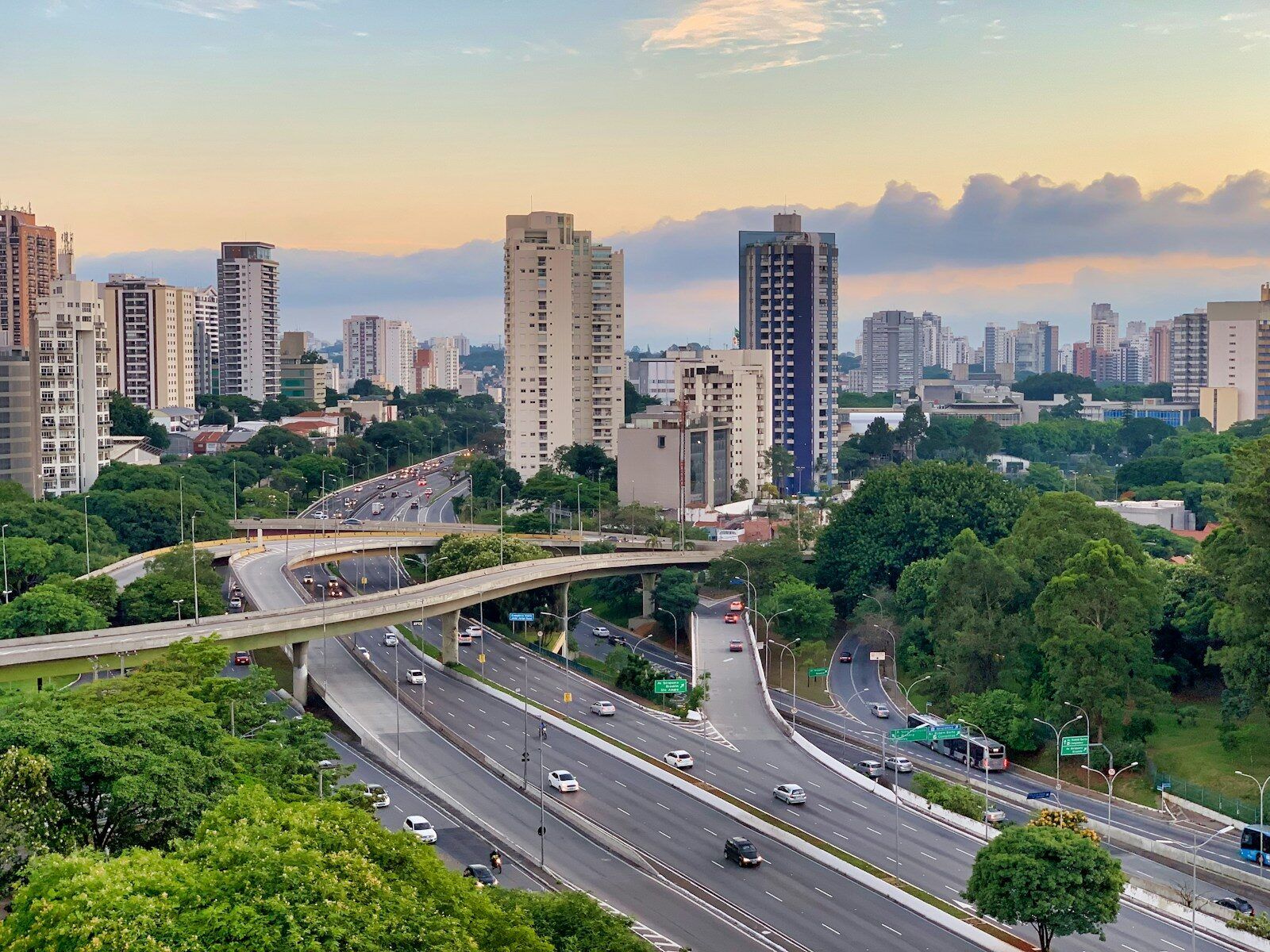
São Paulo
History
São Paulo was founded in 1554 by Jesuit priests, including Manuel da Nóbrega and José de Anchieta, who established a small mission on the plateau. The settlement grew slowly and became an important center for the exploration of Brazil’s interior.
A During the 17th and 18th centuries, São Paulo became associated with the bandeirantes, explorers who traveled into the interior in search of resources and Indigenous people. The discovery of gold and the expansion of agricultural activities helped the region develop economically.
In the 19th century, coffee became the main force behind São Paulo’s economic growth. The city expanded rapidly, attracting immigrants from Europe and other parts of the world and transforming its population, culture, and architecture.
During the 20th century, São Paulo developed into Brazil’s largest industrial and financial center. Today, it is one of the country’s most important cities and a major international center for business, culture, gastronomy, and innovation.
Major Sights
São Paulo is a huge and diverse city filled with cultural landmarks, museums, historic buildings, and vibrant urban spaces. Visitors can explore famous avenues, impressive architecture, colorful street art, and some of Brazil’s most important cultural institutions. The city offers a unique mix of history, modern life, art, and entertainment.
Must-see places:
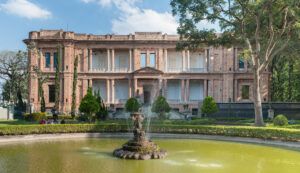
Pinacoteca
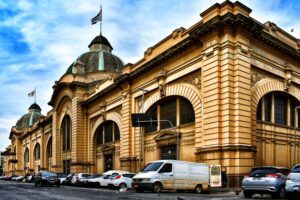
Mercadão
Natural attractions
Although São Paulo is a major urban center, the city and its surroundings offer many opportunities to enjoy nature. Parks, green spaces, forests, and protected areas provide a peaceful contrast to the busy city streets. Ibirapuera Park, Cantareira State Park, and the Serra da Cantareira are among the most important natural attractions. Visitors can enjoy walking, cycling, hiking, and discovering the region’s rich Atlantic Forest biodiversity.
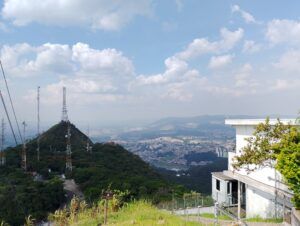
Pico do Jaraguá
National parks
São Paulo is surrounded by protected natural areas that preserve important parts of the Atlantic Forest and the region’s biodiversity. While there is no major national park within the city itself, nearby conservation areas offer opportunities for hiking and exploring nature. Cantareira State Park is one of the most important protected areas near the city, with forests, trails, and diverse wildlife. These protected landscapes provide a refreshing escape from São Paulo’s busy urban environment.
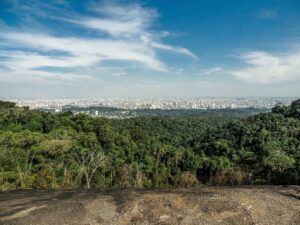
Pedra Grande
Beaches
São Paulo city is not located directly on the coast, but the state of São Paulo offers a wide variety of beautiful beaches within easy reach of the capital. Popular coastal destinations include Santos, Guarujá, Ubatuba, and Ilhabela, each offering a different atmosphere and landscape. Visitors can enjoy swimming, surfing, hiking, boat trips, and relaxing by the sea. The São Paulo coast combines tropical beaches with lush Atlantic Forest and scenic mountains.
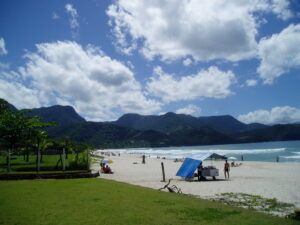
Praia de Maresias

Praia do Félix, Ubatuba
Culture
São Paulo has one of the most diverse cultural scenes in Brazil, shaped by Indigenous heritage, Portuguese traditions, and waves of immigration from around the world. The city is famous for its museums, art galleries, music, theater, festivals, and vibrant street art. Neighborhoods such as Liberdade, Bixiga, and Vila Madalena reflect the city’s multicultural character. São Paulo is also an important center for Brazilian gastronomy, fashion, and contemporary art.
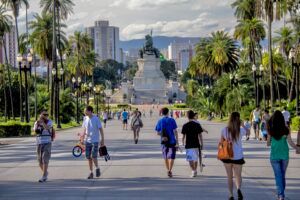
Museu do Ipiranga
Experiences
São Paulo offers a wide variety of experiences, from world-class restaurants and cultural attractions to hotels, tours, shopping, and unique local activities. Discover places to stay, eat, relax, explore, and experience the city like a local. Explore our recommended local businesses and find the perfect experience for your trip.

Scuba Diving