



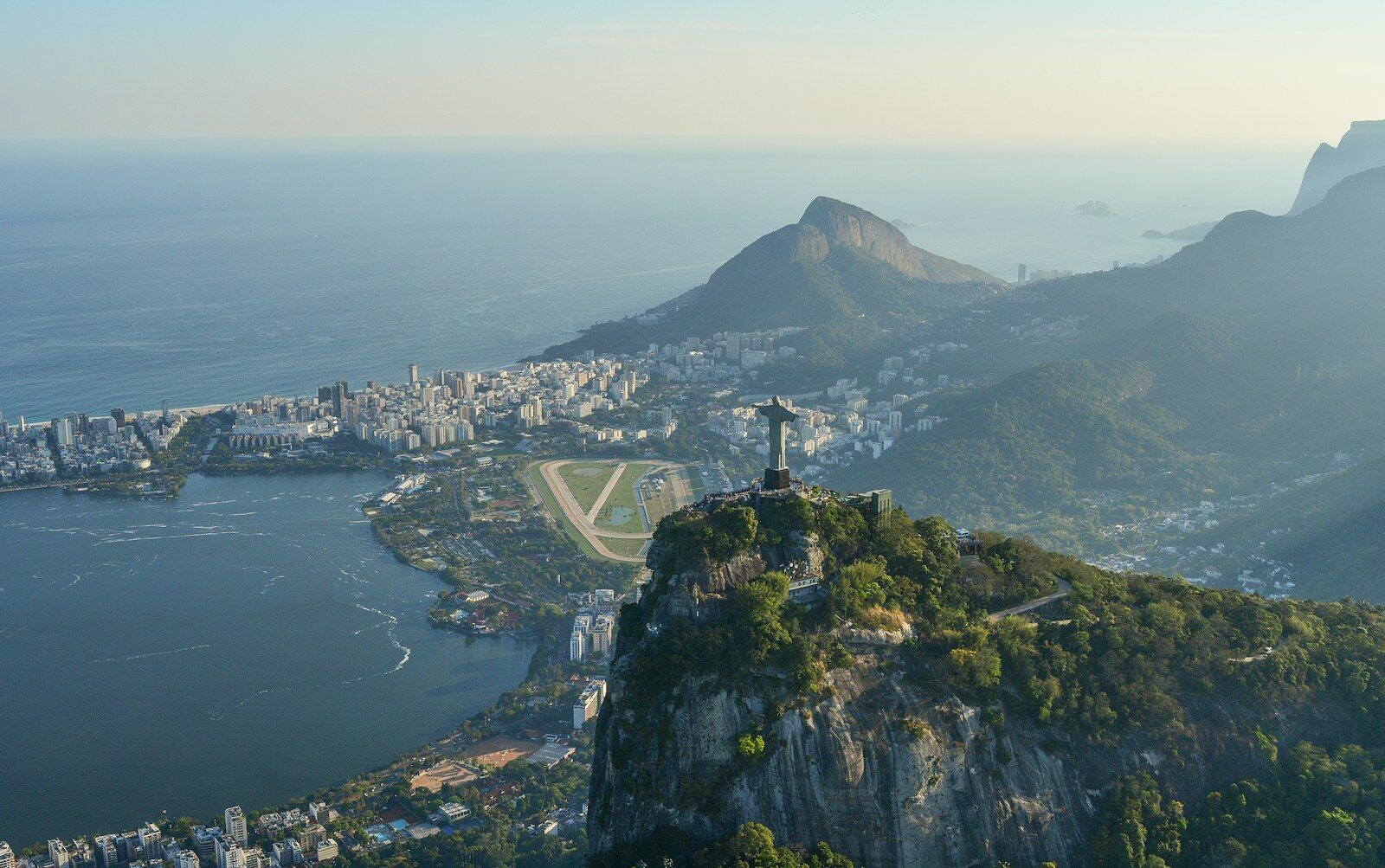
Rio de Janeiro
History
Rio de Janeiro was founded in 1565 by the Portuguese, led by Estácio de Sá, who established the city as São Sebastião do Rio de Janeiro. The settlement was created to defend the region against French and Indigenous forces and gradually grew around the bay.
During the 18th century, Rio became an important port because of the discovery of gold and diamonds in the interior of Brazil. Its strategic location helped the city develop into one of the most important economic centers of the Portuguese colony.
In 1763, Rio de Janeiro became the capital of Portuguese America, replacing Salvador. In 1808, the Portuguese royal court arrived in Rio after fleeing Napoleon’s invasion of Portugal, transforming the city and making it the center of the Portuguese Empire for several years.
After Brazil’s independence in 1822, Rio remained the capital of the Brazilian Empire and later the Brazilian Republic. In 1960, the capital was transferred to Brasília, but Rio de Janeiro continued to be one of Brazil’s most important cultural, economic, and tourist cities.
Major Sights
Rio de Janeiro is famous for its spectacular landmarks, historic neighborhoods, and breathtaking views of the Atlantic coast. The city combines iconic monuments with beautiful urban landscapes surrounded by mountains and sea. Visitors can explore world-famous attractions as well as historic sites that reflect Rio’s rich cultural heritage
Must-see places:
Pão de Açúcar
Colorful Selaron Stairs 5
Natural attractions
Rio de Janeiro is surrounded by spectacular natural landscapes, where mountains, forests, beaches, and the Atlantic Ocean come together. The city is famous for its dramatic granite peaks, lush tropical vegetation, and panoramic viewpoints. Tijuca National Park, Sugarloaf Mountain, and Pedra da Gávea are among the most impressive natural attractions. The combination of mountains and coastline makes Rio one of the most unique natural destinations in Brazil.

Pedra da Gávea
National parks
Rio de Janeiro is home to several protected natural areas that preserve the city’s forests, mountains, and rich biodiversity. Tijuca National Park is one of the most important, protecting one of the world’s largest urban forests. Visitors can explore hiking trails, waterfalls, viewpoints, and diverse wildlife while staying close to the city. Other protected areas around Rio offer opportunities to discover the region’s unique Atlantic Forest ecosystem.
Cascatinha Taunay
Beaches
Rio de Janeiro is famous around the world for its beautiful beaches, vibrant atmosphere, and stunning coastal scenery. Copacabana, Ipanema, and Leblon are among the city’s most iconic beaches, attracting both locals and visitors. Whether you want to relax, swim, surf, play beach sports, or enjoy the sunset, Rio’s coastline offers something for everyone. The combination of golden sand, blue ocean, and dramatic mountains creates the city’s unmistakable beach atmosphere.
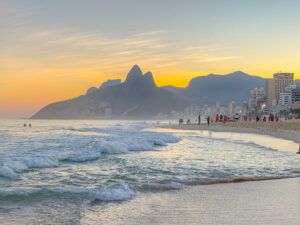
Praia de Ipanema

Praia Vermelha
Culture
Rio de Janeiro has a vibrant culture shaped by Indigenous, African, and Portuguese influences. The city is famous for samba, Carnival, music, dance, and colorful street celebrations. Football is also an important part of local life, with the legendary Maracanã Stadium symbolizing the city’s passion for the sport. Visitors can experience Rio’s culture through its cuisine, art, historic neighborhoods, and lively atmosphere.

Carnaval no Rio de Janeiro em Sambadrome
Experiences
Rio de Janeiro offers an incredible variety of experiences, from world-famous attractions and beach activities to local restaurants, accommodation, tours, and unforgettable adventures. Discover places to stay, eat, relax, explore, and experience the city like a local. Explore our recommended local businesses and find the perfect experience for your trip.

Bondinho do Pão de Açúcar, de Diego Baravelli