




Tulum
Where to Stay
History
Tulum, originally known as Zamá, meaning “City of Dawn” in the Mayan language, was once an important trading port of the ancient Maya civilization. Located on the eastern coast of the Yucatán Peninsula, the city was strategically built on cliffs overlooking the Caribbean Sea. Its impressive stone walls protected temples, ceremonial buildings and residential areas, making it one of the most distinctive coastal settlements of the Maya world.
Between the 13th and 15th centuries, Tulum flourished as a major commercial center connecting coastal trade routes with inland Maya cities. Traders exchanged valuable goods such as jade, obsidian, cotton and salt. After the arrival of the Spanish in the 16th century, the city was gradually abandoned. Today, its archaeological ruins offer a fascinating glimpse into Maya history, architecture and maritime culture, attracting visitors from around the world.
Major Sights
Tulum is home to some of the most remarkable archaeological sites on Mexico’s Caribbean coast. Its ancient Maya heritage, impressive temples and historic settlements offer visitors a fascinating journey into the region’s past. From spectacular coastal ruins to quieter archaeological sites hidden in the jungle, Tulum has plenty to discover.
Must-see places:

Ancient Maya Ruins

The Iconic Maya Temple
Natural attractions
Tulum is surrounded by spectacular natural landscapes, from white sandy beaches and turquoise Caribbean waters to tropical forests, mangroves and underground freshwater pools. The region is especially famous for its cenotes, natural formations created by the collapse of limestone caves, where visitors can swim, snorkel and explore the underground world of the Yucatán Peninsula.
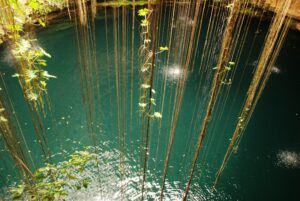
Gran Cenote – Crystal Clear Waters
Protected Natural Areas
The region surrounding Tulum is home to some of the most important protected ecosystems in the Mexican Caribbean. Its tropical forests, mangroves, coastal wetlands and coral reefs provide a natural habitat for an incredible variety of wildlife, including sea turtles, crocodiles, tropical birds and marine species. One of the most remarkable places is the Sian Ka’an Biosphere Reserve, a UNESCO World Heritage Site south of Tulum, where visitors can explore peaceful lagoons, mangrove channels and untouched tropical landscapes.

Sian Ka’an Biosphere Reserve
Beaches
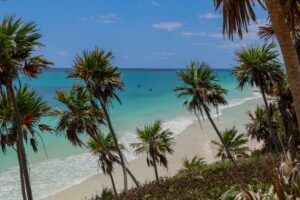
Tulum is famous for its beautiful Caribbean coastline, where white sandy beaches meet crystal-clear turquoise waters and lush tropical vegetation. Beyond the popular beach clubs, visitors can discover quieter stretches of coastline, enjoy peaceful mornings by the sea, swim in warm waters and experience the natural beauty of Mexico’s Riviera Maya. The beaches around Tulum are also important nesting areas for sea turtles, making them a special part of the region’s natural heritage.
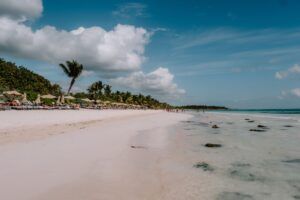
Playa Paraíso – Caribbean Paradise
Culture
Tulum’s culture is deeply connected to the heritage of the ancient Maya civilization, whose traditions, architecture and spiritual beliefs continue to influence the region today. Local culture can be experienced through traditional Mayan cuisine, handmade crafts, regional celebrations and visits to small communities where ancestral customs are still preserved. The combination of indigenous heritage and modern Mexican influences gives Tulum a distinctive atmosphere, where history and contemporary life meet.

Maya Heritage – Ancient Traditions and Culture
Experiences
Tulum offers a wide variety of unforgettable experiences for travelers looking to combine adventure, nature and local culture. Visitors can explore ancient Maya ruins, swim in hidden cenotes, discover the Caribbean coastline by boat, snorkel in clear waters or enjoy traditional food in local restaurants. For a more authentic experience, travelers can also visit nearby Maya communities, explore the jungle by bicycle and discover the region’s natural beauty away from the main tourist areas.

Swimming in the Heart of Nature