



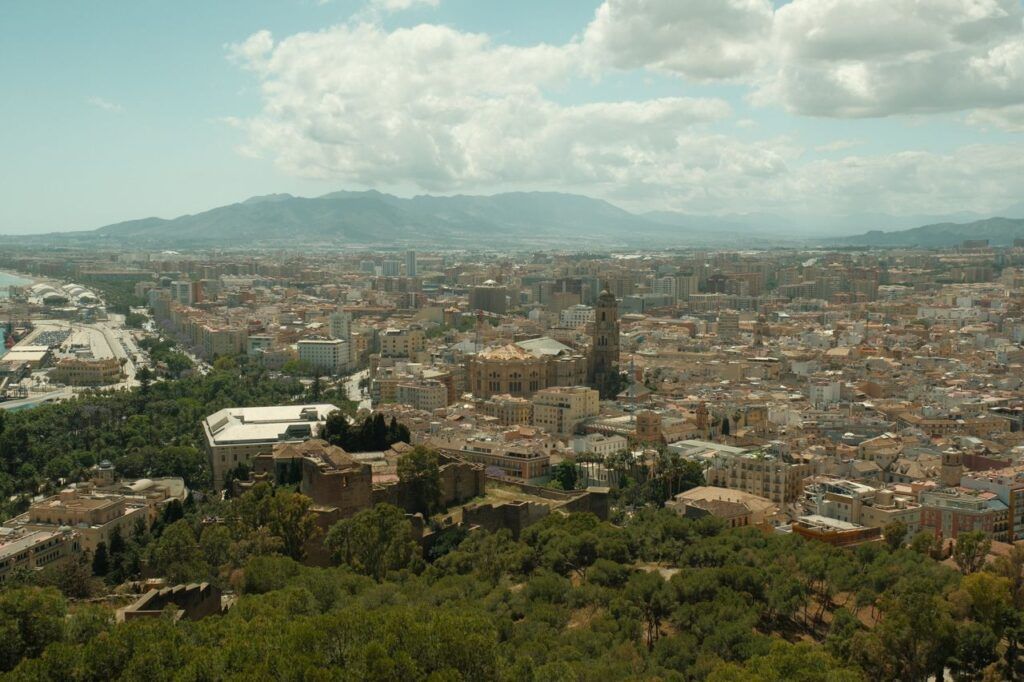
Málaga
History
Málaga has a history stretching back almost 3,000 years. The city was founded by the Phoenicians, who established Malaka on the Mediterranean coast around the 8th century BC. Its natural harbor soon made it an important center of maritime trade, connecting the city with other Mediterranean cultures.
Under Roman rule, Malaka developed into an important trading city and was granted municipal status. Wine, olive oil and fish products were exported through its port, while the famous Roman garum was produced locally. The remains of the Roman Theatre and ancient salt-fish facilities still offer a glimpse into this period.
In 711, Málaga came under Muslim rule and entered one of the longest and most influential periods of its history. For centuries, the city flourished as an important Mediterranean port and commercial center. The Alcazaba, Gibralfaro and the remains of the medieval city walls are among the most visible traces of this era.
In 1487, Málaga was conquered by the Catholic Monarchs, bringing nearly eight centuries of Muslim rule to an end. The city later experienced periods of economic growth, particularly during the industrial expansion of the 19th century. Today, Málaga combines its Phoenician, Roman, Muslim and Spanish heritage with a vibrant cultural scene, making its long history an essential part of the city’s character.
Major Sights
Beyond Málaga’s most famous landmarks, the city is full of places that reveal its history, local character and changing identity. From historic neighbourhoods and traditional markets to lesser-known cultural spaces and viewpoints, exploring beyond the main tourist routes offers a different perspective of Málaga and its Mediterranean atmosphere.
Must-see places:
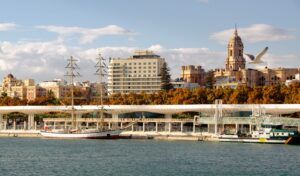
Málaga Port & Cathedral
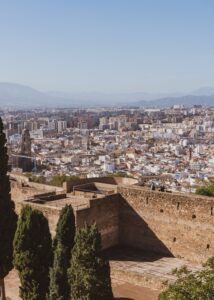
Castillo de Gibralfaro
Natural attractions
Málaga combines the Mediterranean coast with green landscapes and mountain areas, offering visitors a variety of natural environments to explore. Its beaches, palm-lined promenades and coastal scenery make it an ideal destination for enjoying the sea and the Mediterranean climate.
Beyond the city, the Montes de Málaga and surrounding natural areas offer opportunities for hiking, cycling and enjoying panoramic views. The region also provides easy access to beautiful landscapes along the Costa del Sol.
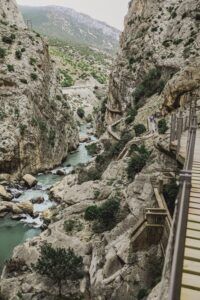
Caminito del Rey
National parks
While Málaga itself does not have a national park within the city, the province and surrounding Andalusia offer access to protected natural areas with mountains, forests, valleys and diverse wildlife. These areas provide excellent opportunities for hiking, exploring nature and enjoying the landscapes of southern Spain.
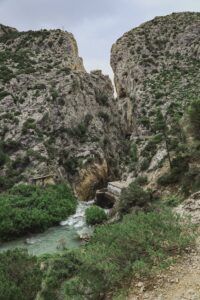
Caminito del Rey
Beaches
Málaga offers a beautiful Mediterranean coastline with sandy beaches, calm waters and lively seaside promenades. From the popular Playa de La Malagueta to the traditional beaches of Pedregalejo and El Palo, visitors can enjoy swimming, relaxing by the sea and experiencing the relaxed atmosphere of the Costa del Sol.
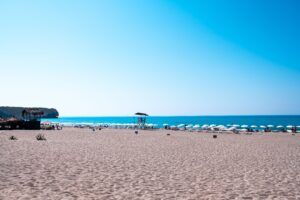
La Malagueta Beach
Culture
Málaga has a rich cultural heritage shaped by Phoenician, Roman, Islamic and Spanish influences. The city is known for its historic monuments, museums, traditional festivals, flamenco, local gastronomy and its connection to Pablo Picasso, creating a unique cultural atmosphere where history and modern creativity come together.
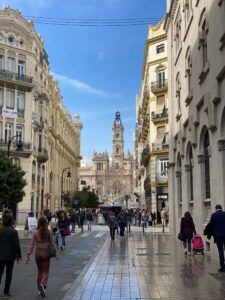
historic streets
Experiences
Málaga offers a wide variety of experiences for every type of traveller, from exploring historic streets and tasting traditional Andalusian cuisine to enjoying the Mediterranean coast and discovering local art and culture. Visitors can also enjoy tapas tours, wine tasting, flamenco, boat trips, hiking and day trips along the Costa del Sol.
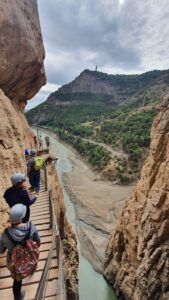
Caminito del Rey