



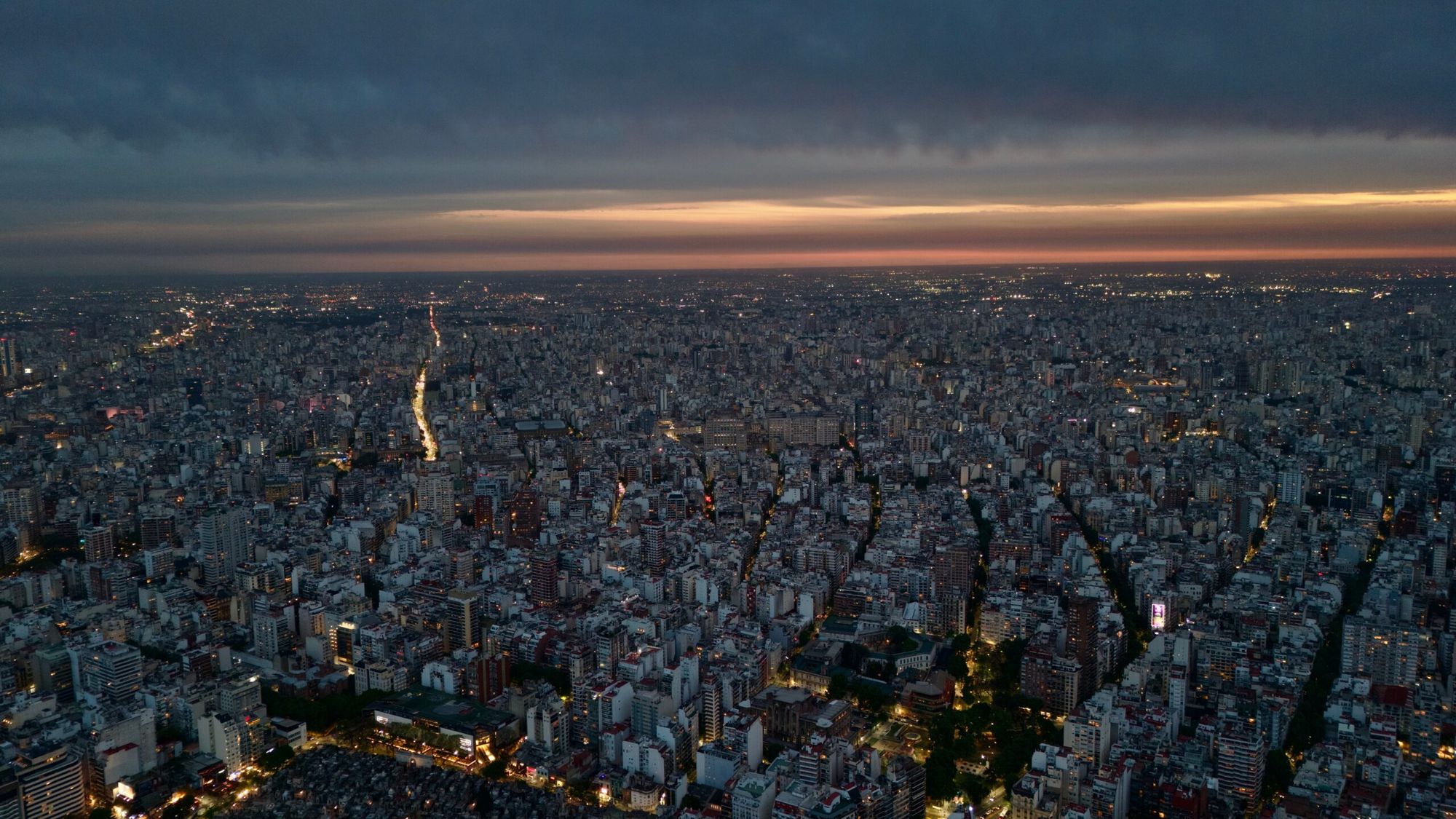
Buenos Aires
History
Buenos Aires was founded in 1536 by Spanish explorer Pedro de Mendoza and was permanently re-established in 1580 by Juan de Garay. Located on the western shore of the Río de la Plata, the city developed as an important port and trading center.
During the 19th century, Buenos Aires became increasingly important politically and economically. Large numbers of immigrants arrived from Europe, particularly from Italy and Spain, bringing new traditions, languages, architecture, and cuisine that helped shape the city’s identity.
In 1880, Buenos Aires became the federal capital of Argentina. During the late 19th and early 20th centuries, the city experienced rapid growth and became known for its grand European-inspired architecture, wide avenues, theaters, cafés, and cultural institutions.
Today, Buenos Aires is the capital and largest city of Argentina and one of the most important cultural and economic centers in South America. The city combines historic neighborhoods, impressive architecture, diverse communities, gastronomy, art, music, and a vibrant urban lifestyle.
Major Sights
Buenos Aires is a city of impressive architecture, historic neighborhoods, grand avenues, museums, theaters, and lively public spaces. Visitors can explore iconic landmarks such as Plaza de Mayo, Casa Rosada, the Obelisco, and Teatro Colón, as well as historic neighborhoods including San Telmo and La Boca.
The elegant streets of Recoleta, the colorful houses of Caminito, and the modern waterfront of Puerto Madero offer very different experiences of the city. Buenos Aires is also home to numerous museums, art galleries, bookstores, cafés, and historic buildings that reflect its rich cultural heritage.
Must-see places:
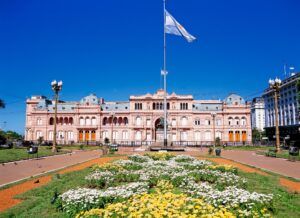
Casa Rosada
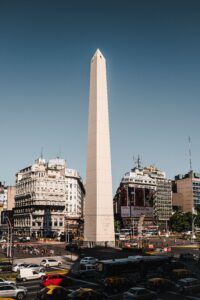
Obelisco
Natural attractions
Buenos Aires offers many opportunities to enjoy nature despite being one of the largest cities in South America. Parks, gardens, tree-lined avenues, and riverside areas provide green spaces where visitors can relax away from the busy city streets.
Bosques de Palermo, Jardín Japonés, Parque Tres de Febrero, and the riverside areas of Costanera are among the most popular places to enjoy the outdoors. Visitors can walk, cycle, explore gardens, observe birds, or simply relax surrounded by greenery.
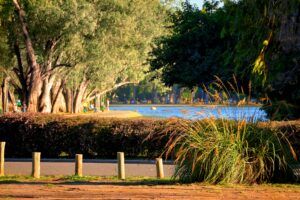
Bosques de Palermo
National parks
Buenos Aires is home to important natural areas that protect wetlands, native vegetation, and wildlife within the city. Reserva Ecológica Costanera Sur is the most significant protected area in the capital, preserving a large ecosystem beside the Río de la Plata. Visitors can explore walking trails, observe birds, and discover wetlands, lagoons, grasslands, and native vegetation. The wider province also offers protected areas and natural reserves where visitors can experience the biodiversity of the Pampas region.
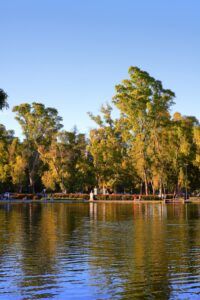
Buenos Aires Park
Beaches
Buenos Aires is located on the Río de la Plata and does not have traditional ocean beaches within the city. Costanera Norte and Costanera Sur offer riverside areas where visitors can walk, cycle, relax, and enjoy views across the water. For traditional Atlantic beaches, travelers can visit destinations such as Mar del Plata, Pinamar, and Villa Gesell along the coast of Buenos Aires Province.
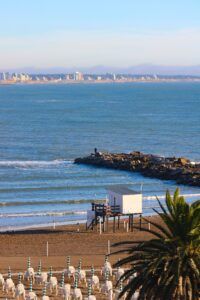
Mar del Plata
Culture
Buenos Aires has one of the richest cultural scenes in South America, shaped by Indigenous heritage, Spanish traditions, and European immigration. The city is famous for tango, music, dance, theater, literature, art, and its vibrant café culture. Neighborhoods such as San Telmo, La Boca, Recoleta, Palermo, and Puerto Madero each have their own distinctive character. Buenos Aires is also renowned for its gastronomy, including Argentine beef, empanadas, wine, and traditional cafés.
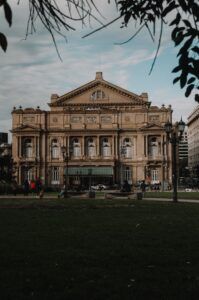
Teatro Colón
Experiences
Buenos Aires offers a wide variety of experiences, from exploring historic neighborhoods and famous landmarks to enjoying tango, Argentine cuisine, nightlife, shopping, and local markets. Visitors can discover the streets of San Telmo and La Boca, explore Recoleta and Palermo, or enjoy the modern atmosphere of Puerto Madero. Food tours, tango shows, cultural activities, football matches, and guided excursions offer many ways to experience the city like a local.
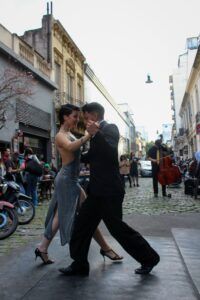
Tango